


Overhead Lifting and Shoulder Labral Injuries in CrossFit Athletes


By Dr. Terrell Joseph, Orthopaedic Surgeon at Vail-Summit Orthopaedics & Neurosurgery
CrossFit workouts often include high-repetition overhead movements that place significant demands on the shoulder joint. While these exercises can build impressive strength and athletic performance, they can also increase the risk of certain injuries when the shoulder is exposed to repetitive stress.
One of the most common conditions Dr. Terrell Joseph sees among active athletes is a shoulder labral tear, particularly in individuals who regularly perform overhead lifts, kipping movements, and Olympic-style weightlifting.
Understanding how these injuries occur can help athletes recognize symptoms early and seek appropriate treatment before the problem becomes more significant.
Quick Takeaways: Labral Injuries in CrossFit
Overhead lifting places substantial stress on the shoulder joint and surrounding structures.
A shoulder labral tear can develop from a single traumatic event or repetitive overhead activity.
Common symptoms include pain, clicking, instability, and decreased performance.
Many cases of shoulder injuries in CrossFit athletes can initially be treated without surgery.
Early evaluation helps athletes return to training safely and efficiently.
Why Are CrossFit Athletes Prone to Labral Injuries?
The shoulder is the most mobile joint in the body, which also makes it one of the least inherently stable.
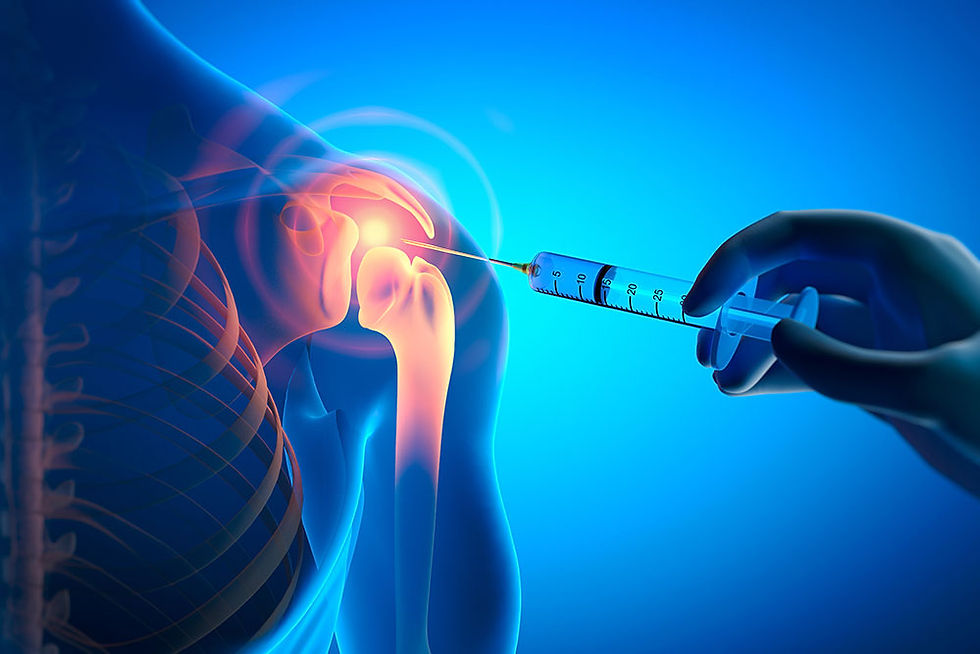
The labrum is a ring of cartilage that surrounds the shoulder socket and helps keep the ball of the upper arm securely positioned. When repetitive overhead movements are performed under load, the labrum can become stressed over time.
Exercises commonly associated with shoulder injuries in CrossFit athletes include:
Snatches
Overhead squats
Push jerks
Handstand pushups
Muscle-ups
Kipping pull-ups
These movements require a combination of strength, mobility, stability, and control. When fatigue develops or mechanics begin to break down, the risk of a shoulder labral tear increases.
Dr. Joseph explains, "The shoulder is designed for mobility, but repetitive overhead loading can challenge the structures that provide stability. Over time, that stress can contribute to labral injuries."
Common Symptoms of a Shoulder Labral Tear
Labral injuries often develop gradually, making them easy to ignore in the early stages.
Athletes frequently report:
Deep shoulder pain
Clicking or popping sensations
A feeling of instability
Weakness during overhead movements
Difficulty locking out lifts
Pain after workouts or the following day
Some athletes notice their performance declining before significant pain develops.
Because many shoulder injuries in CrossFit athletes share similar symptoms, an accurate diagnosis is important for determining the appropriate treatment plan.
When Should Athletes Seek Evaluation?
Many CrossFit athletes are accustomed to training through discomfort. However, persistent shoulder symptoms should not be dismissed.
Signs that warrant evaluation include:
Pain lasting several weeks
Recurrent clicking or catching
Loss of strength during lifts
Difficulty performing overhead movements
A feeling that the shoulder may slip or shift
A physical examination and advanced imaging can help determine whether a shoulder labral tear is present and identify any associated injuries.
Early diagnosis often allows athletes to address the issue before more significant damage occurs.
Treatment Options for Labral Injuries
Treatment depends on the severity of the injury, the athlete's goals, and the level of instability present.
Many patients improve with conservative treatment, including:
Activity modification
Physical therapy
Strengthening of the rotator cuff and shoulder stabilizers
Mobility and movement corrections
Gradual return-to-sport programs
For athletes with persistent symptoms or significant instability, surgical treatment may be considered.
As a shoulder surgeon near me search often reveals, selecting a specialist experienced in treating active athletes is important when considering surgical options. Arthroscopic procedures can often repair a damaged labrum while preserving shoulder function and stability.
Dr. Joseph notes, "Our goal is always to help athletes return to the activities they enjoy while protecting the long-term health of the shoulder."
The Bottom Line
CrossFit training places unique demands on the shoulder, especially during repetitive overhead lifting. While these movements are highly effective for building strength and fitness, they can contribute to a shoulder labral tear when the joint is exposed to excessive stress or instability.
If you are experiencing shoulder pain, clicking, weakness, or instability during workouts, seeking evaluation from a shoulder surgeon near me can help identify the cause and determine the best path forward. Early treatment can reduce downtime, improve performance, and help keep you training safely.
About Dr. Terrell Joseph
Dr. Terrell Joseph is a board-certified orthopaedic surgeon at Vail-Summit Orthopaedics & Neurosurgery specializing in shoulder, knee, and upper extremity conditions. He treats athletes of all levels, including CrossFit participants, helping them recover from injuries and return to the activities they enjoy.
If you are experiencing symptoms of a shoulder labral tear or searching for a shoulder surgeon near me, schedule an evaluation with Dr. Joseph to learn more about your treatment options. Contact Dr. Joseph’s team today!


Comments